



Tubal Recanalization – Restoring the Possibility of Natural Pregnancy
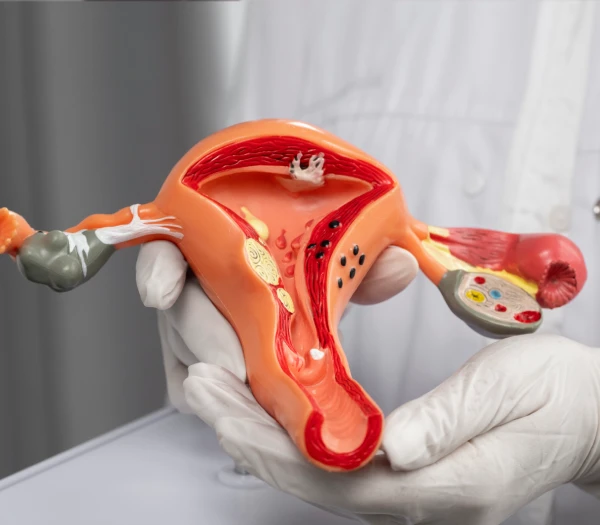
Tubal recanalization is a specialised fertility procedure that aims to restore the patency of blocked or previously ligated fallopian tubes, helping selected women improve their chances of conceiving naturally. The fallopian tubes play an essential role in reproduction by allowing sperm to meet the egg and facilitating the egg's movement towards the uterus.
For women who wish to conceive after tubal ligation or are experiencing certain types of tubal blockage, a fertility specialist may evaluate whether tubal recanalization is an appropriate treatment option.
Who May Benefit from Tubal Recanalization?
Tubal recanalization may be considered for women who:
- Wish to become pregnant after previous tubal sterilisation.
- Have certain types of fallopian tube blockage.
- Have been diagnosed with tubal-factor infertility.
- Have suitable reproductive health and fertility assessment results.
- Want to explore treatment options for achieving pregnancy.
Types of Tubal Recanalization Procedures
1. Microsurgical Tubal Reversal
Microsurgical tubal reversal involves surgically reconnecting the remaining healthy sections of the fallopian tubes after sterilisation. It may be suitable for selected women, depending on the original sterilisation technique and the amount of healthy tube remaining.
2. Hysteroscopic or Image-Guided Tubal Recanalization
In selected cases of proximal tubal blockage, a specialist may use imaging guidance and a fine catheter to attempt to reopen the blocked section. The appropriate technique depends on the cause and location of the obstruction.
These procedures are different, and not every type of tubal blockage can be treated with recanalization.
Benefits of Tubal Recanalization
- May restore the passage through blocked or surgically interrupted fallopian tubes in suitable cases.
- May provide an opportunity to attempt natural conception.
- May offer an alternative to assisted reproductive treatments for selected patients.
- Allows fertility treatment to be tailored to the individual's reproductive health and goals.
The likelihood of pregnancy varies according to individual circumstances, and successful recanalization does not guarantee conception.
How Is Tubal Recanalization Performed?
The procedure depends on the underlying condition. Before treatment, the doctor reviews the patient's medical history, previous sterilisation records, fertility investigations, and imaging results. Depending on the diagnosis, treatment may involve catheter-based recanalization or surgery to reconnect the fallopian tubes. The specialist explains the procedure, expected recovery, potential benefits, and possible risks before proceeding.
Risks and Important Considerations
As with other medical procedures, tubal recanalization may involve risks such as bleeding, infection, damage to surrounding structures, or failure to restore tubal patency. There is also an increased concern for ectopic pregnancy when conception occurs after treatment involving the fallopian tubes. Women who become pregnant after tubal recanalization should contact their healthcare provider early for assessment and confirmation of the pregnancy's location.
Frequently Asked Questions
Can I get pregnant after tubal recanalization?
Pregnancy may be possible if the procedure successfully restores tubal patency and other fertility factors are favourable. Outcomes vary from person to person.
Is tubal recanalization suitable after tubal ligation?
Some women may be candidates for tubal reversal after sterilisation. Suitability depends on the original procedure, the remaining healthy tube, age, and overall fertility.
Is tubal recanalization the same as IVF?
No. Tubal recanalization aims to restore the function of the fallopian tubes, potentially allowing natural conception. IVF involves fertilisation outside the body and does not require the fallopian tubes to transport the egg and embryo in the same way.
How long does recovery take?
Recovery depends on the procedure performed. Catheter-based procedures and surgical tubal reversal have different recovery periods, which your specialist will explain.
Does tubal recanalization guarantee pregnancy?
No. Successful treatment does not guarantee pregnancy. The outcome depends on several factors, including tubal health, age, ovarian reserve, sperm health, and other reproductive conditions.